
Refresh
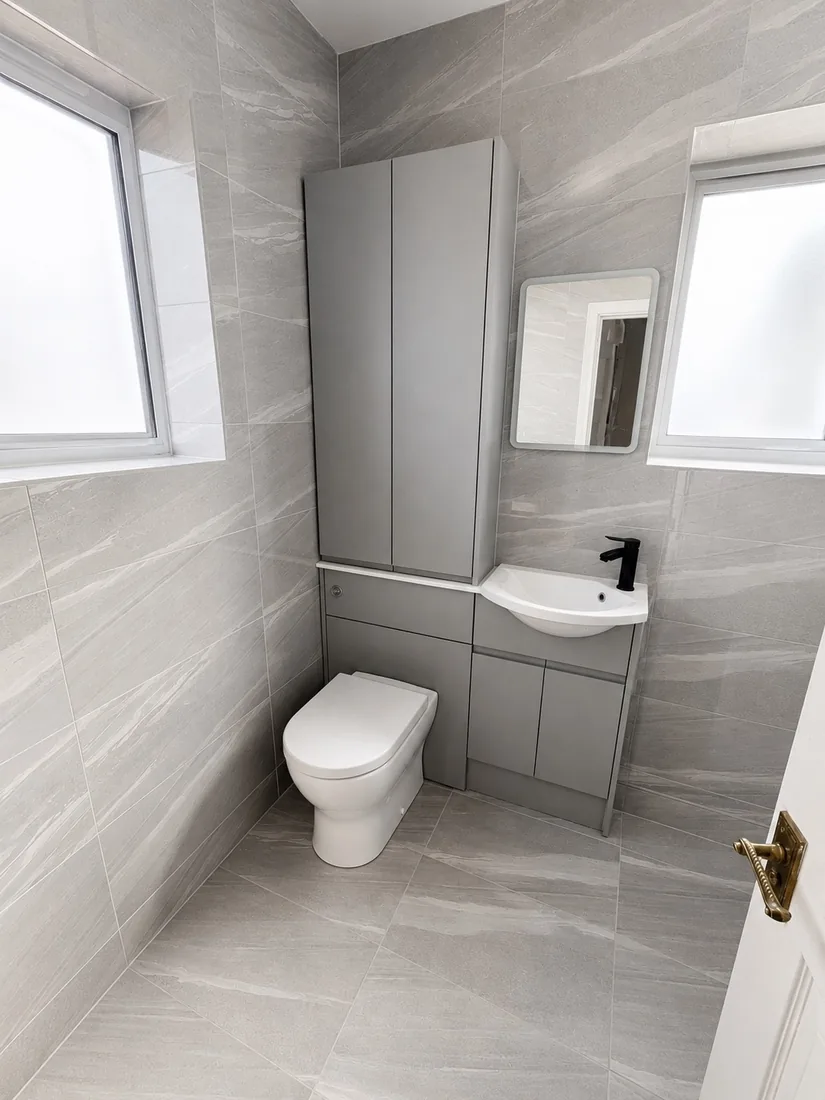
Keep the suite and layout; renew tiling, sealant, brassware, screens and lighting for a sharp, modern finish.
A good bathroom starts long before the first tile goes on the wall. This is our practical, no-nonsense guide to planning a renovation in Worthing and across West Sussex — deciding scope, setting a realistic budget, choosing the right installer, and knowing what the journey and timeline really look like.
Almost every disappointing bathroom project goes wrong at the planning stage, not the building stage. The single most useful thing you can do before spending a penny is to be honest about the scope — because a cosmetic refresh, a full refurbishment and a complete strip-out and rebuild are three very different jobs with three very different budgets and timelines.
A cosmetic refresh keeps the suite, layout and sound pipework and renews what you see and touch — tiling, sealant, brassware, a shower, a screen, lighting and paint. A refurbishment goes further, swapping tired fixtures and surfaces while still reusing the existing footprint and the services beneath it. A full strip-out and rebuild only makes sense when the layout no longer works, or the structure and waterproofing genuinely need starting again — that is the territory of our full bathroom installation service. The trick is matching the work to the room, not to the showroom catalogue.
Keep the suite and layout; renew tiling, sealant, brassware, screens and lighting for a sharp, modern finish.
Replace tired fixtures and surfaces while reusing the existing footprint and sound pipework beneath.
Strip back and start again only when layout, structure or waterproofing truly demand it — honestly advised.
Stand in your bathroom and ask three plain questions. First, does the layout actually work for how you live — or do you keep wishing the basin, bath or shower were somewhere else? Second, is the fabric sound — are the walls dry and square, is the waterproofing holding, is the pipework modern rather than ageing lead or corroded copper? Third, which elements are simply tired versus genuinely failing?
If the layout is fine and the bones are sound, you're almost certainly in refresh or refurbishment territory, and your money should go into finishes rather than upheaval. If you find yourself wanting to move the plumbing, open up floors or rework the room entirely — or if damp, movement or perished waterproofing keep cropping up — that's when a fuller rebuild earns its keep. Our deeper guides on what a bathroom costs in West Sussex and choosing a wet room versus a walk-in shower help you pressure-test that decision before you commit.
The most common budgeting mistake is fixating on the suite and tiles — the things you can see in a showroom — while underestimating the work you can't. In any bathroom the cost is concentrated in the hidden services: moving soil pipes, chasing walls for new runs, re-routing drainage and rebuilding waterproof zones. Disturb those and the figure climbs quickly; leave them alone and your budget stretches a long way further.
As a broad, indicative guide for West Sussex, a cosmetic refresh sits at the lower end, a full refurbishment in the middle, and a complete strip-out and rebuild at the top — with room size, the spec of fittings, and any structural or layout changes moving the number in either direction. Treat any figure online, including ours, as a typical range that depends on spec; we give a fixed written quote at survey rather than a guess. Always hold a sensible contingency, especially in older coastal homes where surprises behind the tiles are common. Our bathroom cost guide breaks the ranges down in detail.
A bathroom touches plumbing, electrics, tiling, plastering, carpentry and waterproofing — and the difference between a smooth project and a stressful one is usually whether one accountable team owns all of it. When you stitch together separate trades yourself, the gaps between them become your problem: the tiler waiting on the plumber, nobody owning the bit that went wrong. A single team that surveys, designs, fits and finishes carries that responsibility for you.
When you speak to a fitter, ask how they survey and quote, whether the quotation is fixed and itemised in writing, who is actually on site each day, how they handle problems found mid-job, what insurance and workmanship cover they carry, and how they protect the rest of your home while they work. Clear, confident answers and a proper written quote matter far more than the cheapest headline price. If you want a sense of how we work, our Worthing bathroom fitters page sets out our approach.
Plan it properly, scope it honestly, and let one accountable team carry the whole job from survey to final seal.
A well-run bathroom project follows the same five stages whatever its size. Knowing them up front makes the whole thing feel a lot less daunting — and helps you spot when a quote has skipped a step it shouldn't have.
For a like-for-like bathroom renovation inside an existing room, you almost never need planning permission. It only tends to apply if you change the building's footprint, work on a listed property, or convert a loft, garage or outbuilding into a new bathroom. If you live in a conservation area or a listed home — common enough among the period properties in this part of the coast — it's worth checking early.
Building Regulations are the part that matters day to day. Electrical work in bathrooms is notifiable and zoned for safety, ventilation must meet minimum standards, and any changes to drainage or structure must comply. A competent installer carries out compliant electrical work and flags early if any approval applies to your particular job, so nothing stalls halfway through. We'll always tell you straight if a job needs more than a standard renovation allows.
Where you live shapes the job more than people expect. The Victorian and Edwardian terraces around Worthing, Hove and Brighton often hide lead or undersized pipework, lath-and-plaster walls, and floors that aren't quite level — all manageable, but all things a survey needs to catch before a fixed price is set. Period rooms also reward a layout that respects the original proportions rather than fighting them.
Coastal homes through Shoreham-by-Sea, Lancing and the seafront stretches bring their own quirks: salt-laden air that's hard on fittings and finishes, older waterproofing that may have given up, and the occasional bout of hidden damp behind tiling. Choosing corrosion-resistant brassware and getting the tanking and ventilation right matters more here than inland. Our guide to seafront and period bathrooms goes into the specifics. Whatever the property, getting these details into the plan at survey is what keeps a renovation on budget and on schedule.
On site, a straightforward renovation that keeps the existing layout typically runs around one to two weeks. A full strip-out and rebuild — or a wet room with extensive tanking and tiling — usually takes longer, because there's more structural and waterproofing work involved. But the on-site days are only part of the story: allow planning time for the survey, design and ordering of materials, as lead times on tiles, brassware and stone can add weeks before work even begins.
We give you a realistic schedule alongside your fixed quote, so you can plan around the disruption rather than be caught out by it. For a full breakdown stage by stage, see our guide on how long a bathroom installation takes.
This guide is the overview. When you're ready to dig into a specific decision, these companion guides go further:
You can also read about our core services: full bathroom installation, bathroom renovation, wet rooms & walk-in showers and tiling & stonework.
Start by deciding your scope — whether you need a cosmetic refresh, a refurbishment, or a full strip-out and rebuild — because that decision drives everything else. Walk the room honestly: is the layout right, is the pipework and waterproofing sound, and which things are simply tired versus genuinely failing? Set a budget range you're comfortable with, gather images of finishes you like, then arrange a survey so a fitter can measure up and advise on what the room actually needs.
For a like-for-like bathroom renovation inside an existing room you almost never need planning permission. It can come into play if you change the building's footprint, alter a listed property, or convert a loft or garage. Building Regulations are more relevant day to day — electrics in bathrooms, ventilation, drainage changes and any structural alterations must comply. A competent installer handles compliant electrical work and tells you early if any approvals apply to your job.
Decide your scope first, then build the budget around it. The hidden services — moving soil pipes, re-routing drainage and chasing walls — drive cost far more than the suite you choose, so keeping the layout is the single biggest saving. As a rough guide, cosmetic refreshes sit at the lower end, full refurbishments in the middle, and complete strip-out rebuilds at the top, with spec, room size and any structural work moving the figure. We give a fixed written quote at survey rather than a guess, and always keep a contingency for older homes.
Look for one accountable team that handles the whole job — strip-out, plumbing, tiling, electrics and finishing — rather than a chain of separate trades you have to coordinate yourself. Ask how they survey and quote, whether the quote is fixed and itemised in writing, who is on site day to day, how they handle problems found mid-job, what insurance and workmanship cover they carry, and how they protect the rest of your home. Clear answers and a proper written quotation matter more than the cheapest headline price.
On site, a straightforward renovation that keeps the layout typically runs around one to two weeks, while a full strip-out and rebuild — or a wet room with extensive tanking and tiling — usually takes longer. Beyond the fitting itself, allow planning time for the survey, design and ordering of materials, as lead times on tiles, brassware and stone can add weeks before work even begins. We give you a realistic schedule with your fixed quote so you can plan around it.
We open for bookings in June 2027. Join the 2027 priority list now to register your interest — founding clients get first pick of the calendar.